 Write a Review
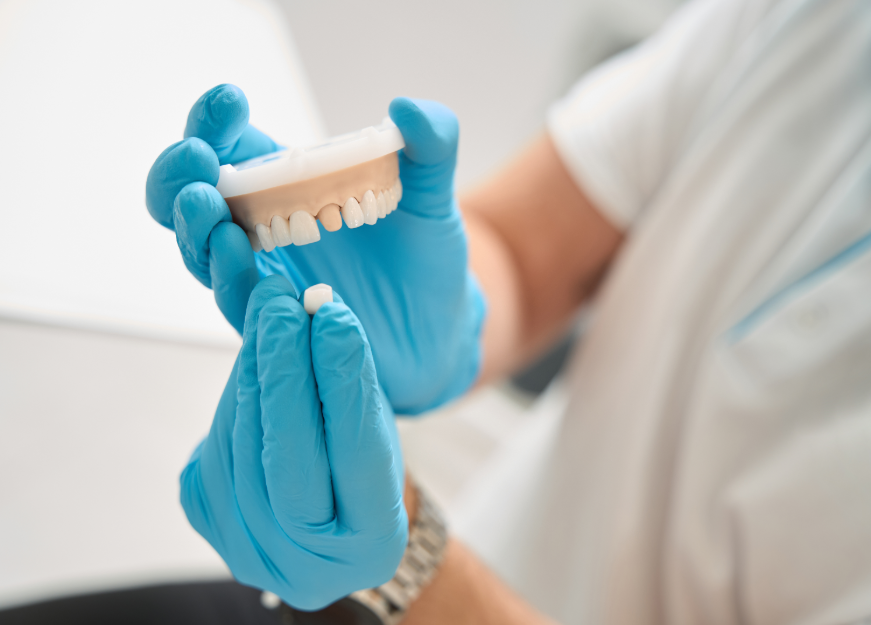
Dental crowns are designed to be strong, durable, and long-lasting—but they aren’t meant to last forever. Over time, everyday wear, changes in your oral health, and aging materials can affect how well a crown protects your tooth. Knowing the early warning signs of a failing crown can help you avoid discomfort, tooth damage, or more extensive dental work down the road.
How Long Do Dental Crowns Typically Last?
Most dental crowns last between 10 and 15 years, though many can last longer with excellent care. Factors such as oral hygiene habits, teeth grinding, diet, and regular dental checkups all play a role in their longevity. Even if your crown looks fine at first glance, subtle changes can signal that it’s time for an evaluation.
Routine dental visits are essential because your dentist can detect early signs of wear that may not yet be visible or painful.
Visible Wear and Tear
One of the most obvious signs a crown may need replacement is noticeable wear. Over time, crowns can become:
- Chipped or cracked
- Worn down from grinding or chewing
- Rough along the edges
These changes can weaken the crown’s structure and expose the underlying tooth to bacteria. Even small fractures can grow larger if left untreated, potentially leading to decay or infection beneath the crown.
Pain or Sensitivity Around the Crown
A properly functioning crown should feel comfortable and natural. If you begin to notice sensitivity to hot, cold, or pressure, it could indicate:
- The crown no longer fits properly
- The cement has weakened
- Decay has developed underneath
Pain when biting down may also suggest that the crown has shifted or that the supporting tooth is compromised. These symptoms should never be ignored, as early treatment can prevent more serious complications.
Receding Gums or Dark Lines at the Gumline
Changes in your gums can also signal crown issues. If your gums recede around the crowned tooth, the crown’s margin may become exposed. You might notice:
- A dark line near the gumline
- Increased tooth sensitivity
- Food getting trapped around the crown
Exposed margins make it easier for bacteria to enter, raising the risk of decay or gum disease. A replacement crown can restore a proper seal and protect your oral health.
A Loose or Wobbly Crown
Crowns should feel stable and secure. If your crown feels loose, shifts when you chew, or comes off entirely, it’s a clear sign that it needs attention. A loose crown allows bacteria to seep underneath, potentially causing decay or damage to the tooth structure.
In some cases, a crown can be re-cemented. However, if the crown or underlying tooth is compromised, replacement may be the best solution.
Why Regular Dental Visits Matter
Many crown issues develop gradually and without obvious symptoms. Regular dental checkups allow your dentist to monitor the condition of your crown, check for hidden decay, and ensure the surrounding gums remain healthy. Catching problems early often means simpler, less invasive treatment.
If it’s been several years since your crown was placed, routine exams are especially important for preventing unexpected crown failure.
Staying alert to these signs and keeping up with dental visits can help ensure your crown continues to protect your smile for years to come.
About the Practice
At Beliveau Dental, Dr. E. Charles Beliveau provides personalized, relationship-focused care backed by more than 30 years of experience serving his community. Inspired by his father’s dental career, he is passionate about helping patients achieve healthy, confident smiles and values building lasting connections with the families he treats. Through ongoing advanced training and a commitment to modern, comprehensive dentistry, Dr. Beliveau and his team deliver tailored preventive and restorative care—including dental crowns—in a welcoming environment designed to support long-term oral health.
Call us at (978) 687-5900 or schedule your appointment online.