 Write a Review
Dentures – North Andover, MA
Complete Your Smile Again
One missing tooth can cause complications with speaking and eating, lower your self-esteem, and lead to jawbone deterioration. Losing most or all of your teeth will only make these problems worse. But you don’t have to give up on your smile even in the most extensive cases of tooth loss; thanks to modern dentistry, Dr. E. Charles Beliveau has plenty of options for providing lifelike, comfortable dentures to complete your smile again. To find out if dentures are right for you, contact our office to schedule your consultation.
Why Choose E. Charles Beliveau, DDS for Dentures?
- Customized for Optimal Comfort
- Over Two Decades of Experience
- Dental Financing Available
Who's a Good Candidate for Dentures?
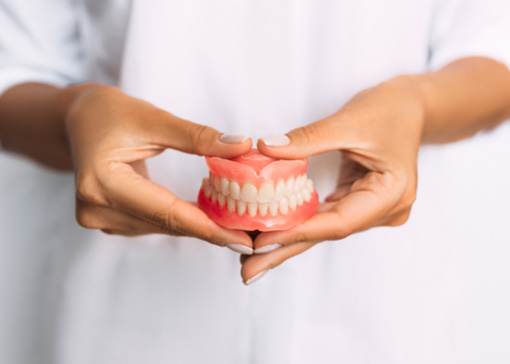
Dentures are the tried-and-true solution for tooth loss and have a long history of successfully restoring smiles, but that doesn’t necessarily mean they’re the right treatment to meet your unique needs.
Before proceeding, you must consult Dr. Beliveau to ensure that you’re a good candidate. Continue reading to learn more about what qualifies patients for this service, and feel free to contact us if you have additional questions.
Effects of Missing Teeth
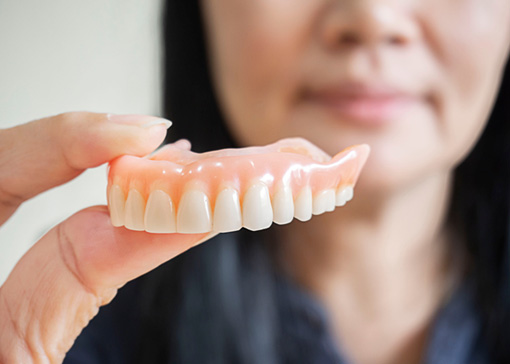
Would you be surprised to learn that advanced gum disease, or periodontitis, is the leading cause of tooth loss in adults? Bacteria in your mouth can form plaque that penetrates your connective tissues, resulting in an infection that causes them to recede from your enamel. This leaves your teeth without a strong enough anchor, and they can become dislodged. However, severe decay or physical trauma can also cause them to go missing.
Regardless of the reason for them, gaps in your grin can leave you feeling self-conscious about the changes to your appearance. You might also develop gastrointestinal issues or malnutrition if you struggle to bite or chew wholesome foods. Some patients also develop a lisp, slur, or other speed impediments.
What Qualifies You for Dentures?
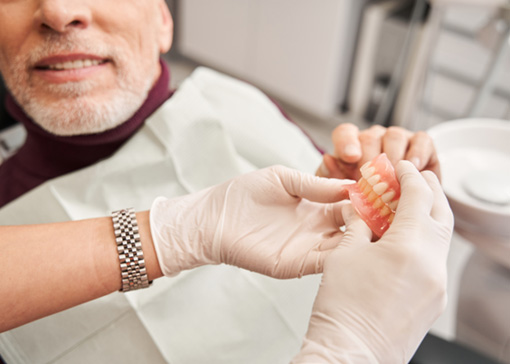
Are you debating whether dentures are right for you? Typically, these restorations are ideal for those who have suffered significant tooth loss but have sufficiently healthy gum tissue and a strong enough jawbone to support them.
It also helps to demonstrate a commitment to your oral hygiene. Although dentures don’t get cavities, they can still develop residue that contributes to gum disease or decay that can impact your jawbone. You’ll need to continue to care for your gums, remaining teeth, and restoration carefully to avoid potential problems.
Alternative Tooth-Replacement Options
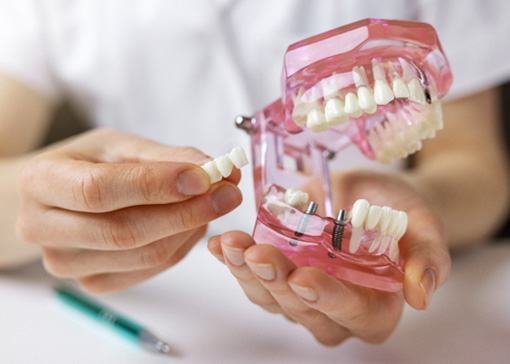
If you’re not approved for dentures, don’t lose hope! Dr. Beliveau and the rest of our team in North Andover also offer the following tooth-replacement options:
- Dental Bridges. These oral appliances are often suggested for those who have lost one or several teeth in a row. They contain the correct number of artificial teeth (pontics) between two dental crowns that anchor to healthy abutment teeth or specially placed implants on either side of the space in your smile.
- Dental Implants. This is the only treatment that involves surgically placing titanium rods into your jawbone to anchor full or partial restorations more permanently.
Types of Dentures
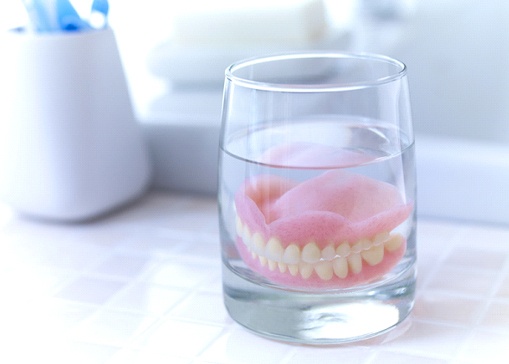
There are a few different types of dentures out there that cater to different needs. During your consultation with us, we will discuss which of the following options is ideal for you:
Partial Dentures
Partial dentures are often called “partials” for short. Unlike full dentures, the teeth aren’t all in a row; they’re carefully spread across the base so that they’ll fill in any gaps in your mouth when you put the partial in. You can take a partial in and out of your mouth at any time. It normally relies on a clip or bracket to stay in place.
Full Dentures
This traditional options replaces an entire row of missing teeth on the upper or lower arch. Instead of being held in by clasps, traditional dentures are held in by the shape and natural suction of the mouth. Full dentures are designed to meet your unique measurements, needs, and preferences so they appear just like natural teeth.
Implant Dentures
Do you not want to have to worry about a denture that you have to remove for cleanings? Both full and partial dentures can be permanently anchored in the mouth with small titanium posts known as dental implants. Implants can be placed in your mouth during a brief surgical procedure. Once your mouth has healed, the implants can support your implants so that you can use them to bite, speak, and smile without worrying about them slipping.
Learn More About Implant Dentures
The Benefits of Dentures

While dentures aren’t the “latest” tooth replacement option, people keep using them for good reason. Anyone who uses them will quickly see their tooth loss addressed and their smile restored! Indeed, these time-tested prosthetics offer many perks and improve a patient’s quality of life. We at Dr. Beliveau’s office will even outline the benefits of dentures in more detail. To that end, please keep reading or call us in the coming days or weeks.
Psychological Benefits

Tooth loss often erodes your mental health, elevating your risk of low self-esteem, clinical depression, and similar issues. That’s only natural when missing teeth hurt your confidence in your looks. Even so, dentures can fix this mood problem by restoring your full smile. Once they rid your grin of its gaps, they’ll leave you feeling more self-assured and at ease. You’d then be able to live without worrying about your ability to eat, speak, socialize, etc.
Clearer Enunciation

When you suffer from tooth loss, you inevitably struggle to speak. Your mouth depends on teeth to enunciate words, so losing even a few can cause lisps, slurred speech, etc. The good news is that dentures handily address the speech issue and improve your communication. Because their teeth can support your tongue, they’ll help you speak words clearly and smoothly. Just note you’ll need to practice first; learning to talk with dentures takes time.
Improves Nutrition

People with untreated tooth loss tend to develop poor diets. Since tooth loss keeps you from chewing tough-but-healthy foods, it restricts your range of nutritious meal choices. That restriction then leads to indigestion, malnutrition, and other ailments that deprive your body of crucial energy. Thankfully, dentures would address this conundrum for you; their prosthetic teeth would expand your food options. You’d then see a much-needed boost to your nutritional health.
Preserves Oral Health
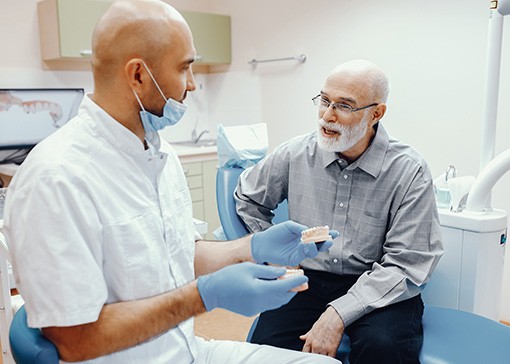
Aside from its looks, your mouth’s health also declines when you lose teeth. The resulting “smile gaps” often house harmful bacteria, cause jawbone erosion, and cause orthodontic issues. All that said, don’t worry; quality dentures would prevent or undo this health decline. Wearing them deprives “bad” microbes of breeding grounds, stops other teeth from tilting, and slows your jawbone’s erosion. Through such effects, your dentures would keep your smile fairly strong.
Expands Opportunities

In most cases, it’s hard to make a good impression when your smile lacks teeth. Grins with many gaps look off-putting to others, prompting feelings of unease and nervousness. You could trust dentures to clear up this matter, though; they’d restore your full smile with beautiful replacement teeth. Once you have them in your mouth, they’ll help you make good impressions and expand opportunities with friends, family, coworkers, and more.
Dentures Aftercare

You can count on dentures to restore your smile’s look and function. Dental labs design them to do just that, so treatment is always a great choice. Still, these facts don’t mean you should skip future dental visits. Dentures need regular care to work well and last long; they’ll cause a lot of problems otherwise. We at Dr. Beliveau’s office would be happy to explain the details. To learn more about caring for dentures, simply keep reading or call us today.
Removeable Dentures
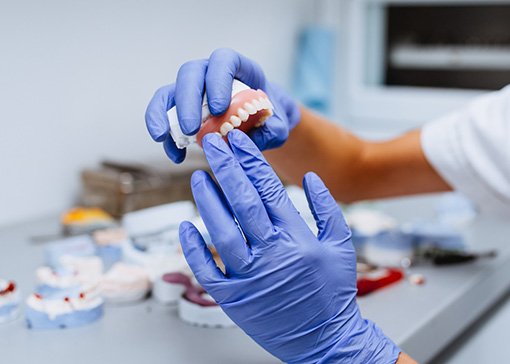
Remove After Eating
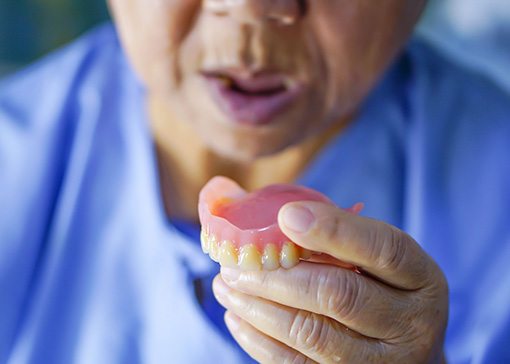
First, you should always remove and rinse your dentures after meals. This habit gets rid of built-up food debris and bacteria that cling to them. As a result, it makes you much less likely to get gum disease and similar oral issues.
It’s also crucial that you don’t use hot water for the rinses. In reality, intense heat can warp your denture’s material. The restoration wouldn’t fit well if that happened; you’d end up needing a replacement.
Clean Your Restoration
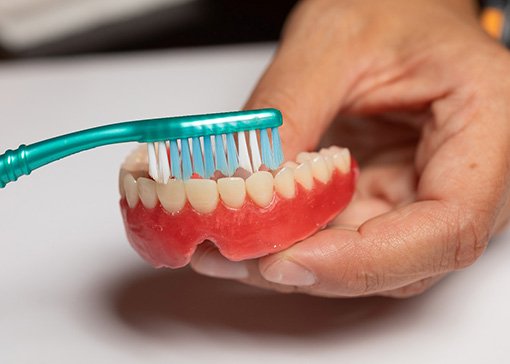
Another major rule is to clean your dentures (at least) once daily. Following it will remove the bacteria and plaque that your rinse may miss.
The steps to a daily denture cleaning are pretty simple. All in all, you only need to remove your device and brush it with a toothbrush. Normal hand soap would serve as this brush’s cleanser. However, you can also soak the dentures in a solution if you have time. Just remember to rinse them before putting them back in your mouth.
Keep Your Dentures Safe
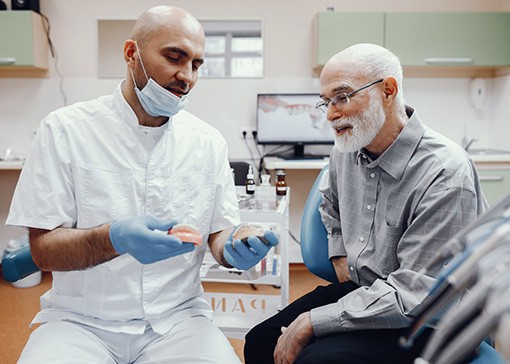
While dentures are fairly sturdy, they can still break. An accident or rough handling could easily damage them. That means you should keep them as safe as possible.
There are various good ways to protect dentures. For instance, try placing a towel in your sink while cleaning them. The cloth would cushion them from falls. There’s also the idea of storing the prosthetics in a secure case. That way, you wouldn’t have to worry about kids or pets messing with them.
Remove Dentures When You Sleep
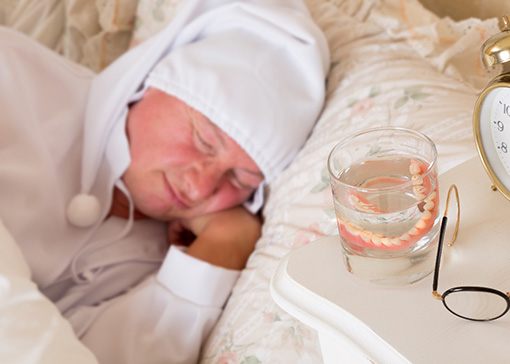
You ought to remove your dentures before you sleep for the night. While you’re at it, you could also soak them in a disinfecting solution overnight.
The issue is that overusing dentures isn’t good for you. If you wear them while you sleep, they’ll restrict your gums’ circulation and irritate your mouth tissues. Overnight use would also raise your risk of gum disease, as it elevates your mouth’s plaque levels. Sleeping with dentures can even lead to severe pneumonia in some cases.
Notice Changes
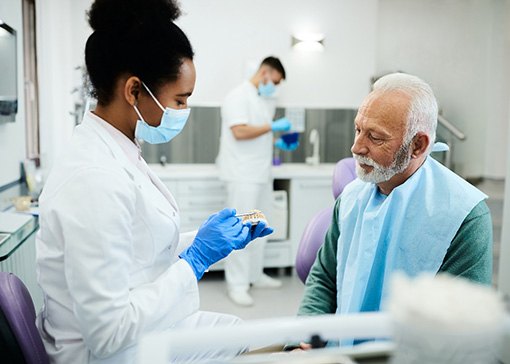
You’ll want to note any shifts in your dentures and mouth. If either sees changes, you may need to visit us for help. That especially applies if you develop mouth sores, gum irritation, or signs of infection.
In particular, you should visit us if your dentures get damaged. Trying to fix them yourself will only worsen matters. Meanwhile, Dr. Beliveau has the training and resources to perform excellent repairs. He can either reline the dentures or have them replaced.
Understanding the Cost of Dentures

The cost of dentures varies for each patient because everyone has a unique smile. There are numerous different factors that contribute to the cost. During your initial consultation with us, we can determine exactly what you can expect to pay for your restoration. In the meantime, here are some things that you should be taking into consideration.
Factors that Affect the Cost of Dentures
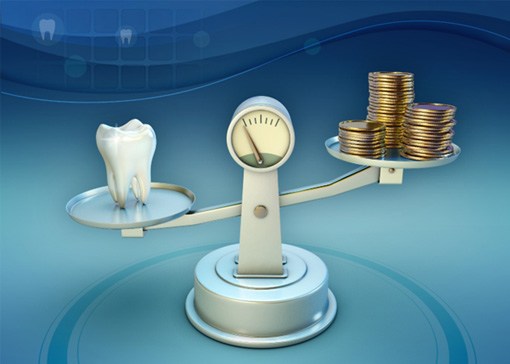
There are a few main factors that will determine the cost of your restoration:
- Any preliminary treatments that you require before you can get dentures will influence your overall cost. This includes extractions and gum disease therapy if necessary.
- The materials used for the base and replacement teeth will play a role. The base is typically made out of acrylic while the replacement teeth can be made from acrylic or porcelain.
- The number of teeth that you’re replacing is an important factor. The more teeth you are missing, the higher the cost usually is.
Are Implant Dentures More Expensive?
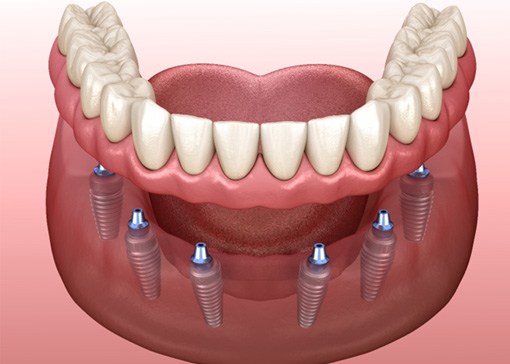
Implant dentures do cost more than traditional dentures, but there is a good reason for it. Instead of being supported by the shape and suction of the gums, implant dentures are held in place by a series of dental implants that are surgically placed into the jawbone. This allows for many additional benefits, like being more lifelike and having additional stability. Also, you won’t need to have your dentures replaced every 5 to 7 years either. Implants are made to last for several decades before needing to be replaced.
Does Dental Insurance Cover Dentures?

You can usually expect some level of coverage with most dental insurance plans. Many providers cover up to 50%, but this will vary depending on your individual plan. If you need help understanding your plan, don’t hesitate to reach out to one of our friendly team members for assistance.
Other Options for Making Dentures Affordable

If you don’t have dental insurance and are worried about paying for the cost of your treatment, you are welcome to reach out to us. Financing is available, and we would be happy to discuss your options with you. Contact our office to learn more!
The best way to learn how much your dentures will cost is by scheduling a consultation with us. We’re eager to help you get your smile back!
Dentures FAQs
What is the Average Age for Dentures?
Tooth loss isn’t an inevitable part of aging; it’s possible to keep all your natural teeth. That said, denture patients tend to be seniors and the elderly.
Current research bears out this fact. About 66% of those aged 40-64 lack one or more teeth, so you’re more likely to need a denture once you reach middle age. Furthermore, the ADA finds that nearly 57% of people ages 65 to 74 wear this prosthetic.
Of course, there are exceptions. Even if the need for false teeth rises with age, young and old alike can be denture candidates.
Will it Hurt to Get Dentures?
Whether getting a denture hurts will depend on your situation. Different patients have varying needs, which can affect how you respond to the prosthetic.
If you need teeth pulled before denture treatment, you may feel discomfort after the oral surgery. Should that happen, take your prescribed pain medication as directed. Any lingering aches will then improve 3-5 days after the extraction(s).
When receiving new dentures, some patients experience mild irritation. This symptom usually stems from having to adjust to the appliance. In many cases, the resulting discomfort can last a while.
If the pain persists or turns severe, you should call your dentist at once. It may be that the dentures weren’t fitted correctly, or perhaps you have an underlying health issue.
Can You Still Eat Steak with Dentures?
Tough meats like steak are tricky to chew with dentures. Still, doing so is possible if you take the proper precautions. These steps include:
- Choose Chewier Cuts – Try having tenderloins and other beef cuts with few muscle fibers. It’s the latter elements that make steak hard to chew.
- Prepare the Meat Beforehand – Make sure the steak is thoroughly tenderized before eating it. Also, cut it into small pieces so it’s easier to ground with your teeth.
- Ensure Your Dentures Fit Well – With a suitable adhesive, dentures can remain secure enough to chew things more easily.
Can You Kiss with Dentures?
Rest assured: it’s entirely possible to kiss while wearing dentures. Even so, you’ll need time to get used to how kissing feels with the prosthetics.
You see, dentures don’t have nerves as natural teeth do. As a result, it’s easy to bump your new teeth against those of your partner in a kiss. You’ll thus want to kiss gently with dentures so your prosthetics don’t get out of place.